As part the SPACE project research, Wonderland Platform for European Architecture met with youth organizations across Lower Austria and Vienna to examine different approaches to youth engagement and local needs in rural and urban contexts.
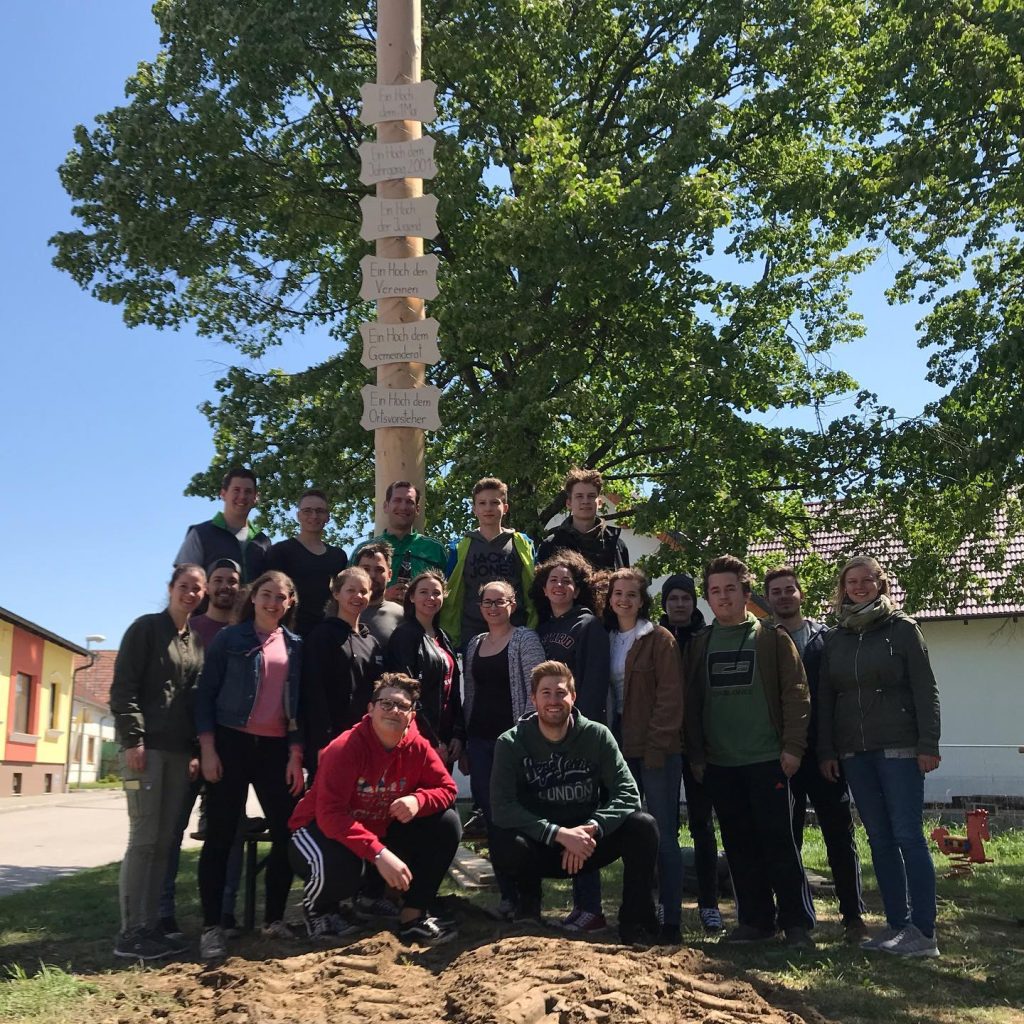
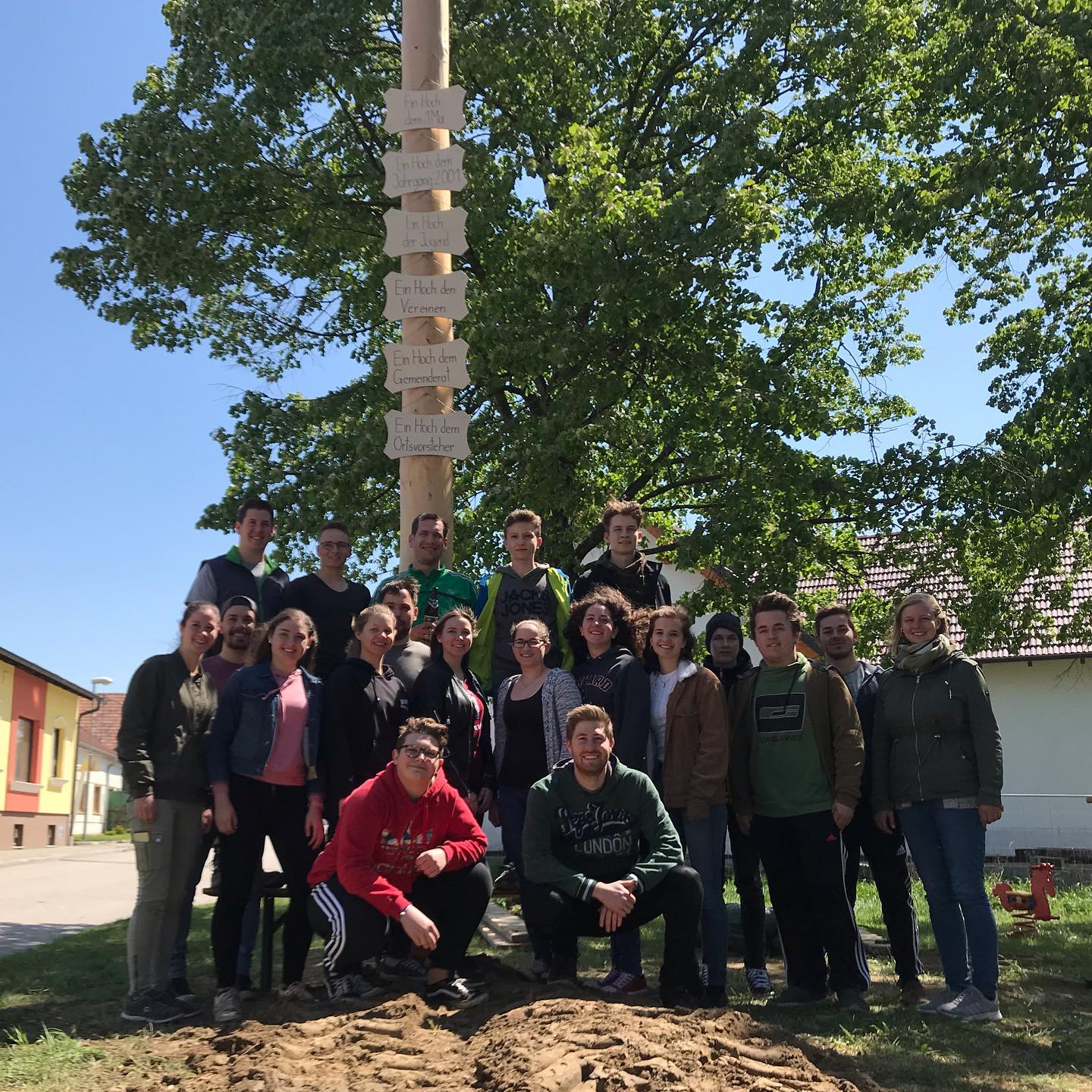
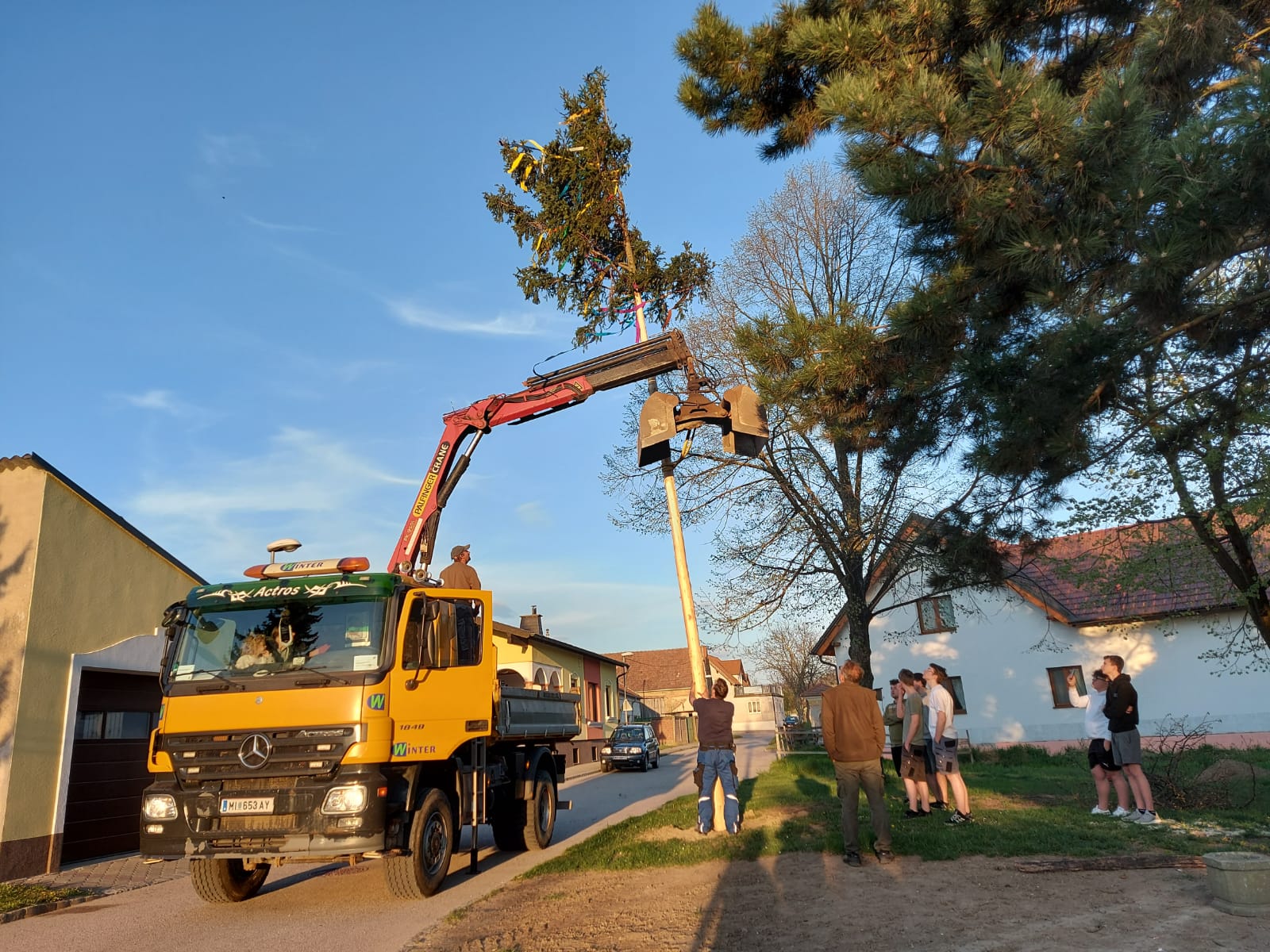
In rural Lower Austria, the self-organized group at Jugendheim Höbersbrunn operates through grassroots community organizing. This youth-led initiative maintains their space through fundraising and local traditions like their annual maypole raising on 1st of May. Their
approach to public space emphasizes intergenerational dialogue, demonstrating how young people can work with supportive municipal government to create sustainable, community centered spaces.
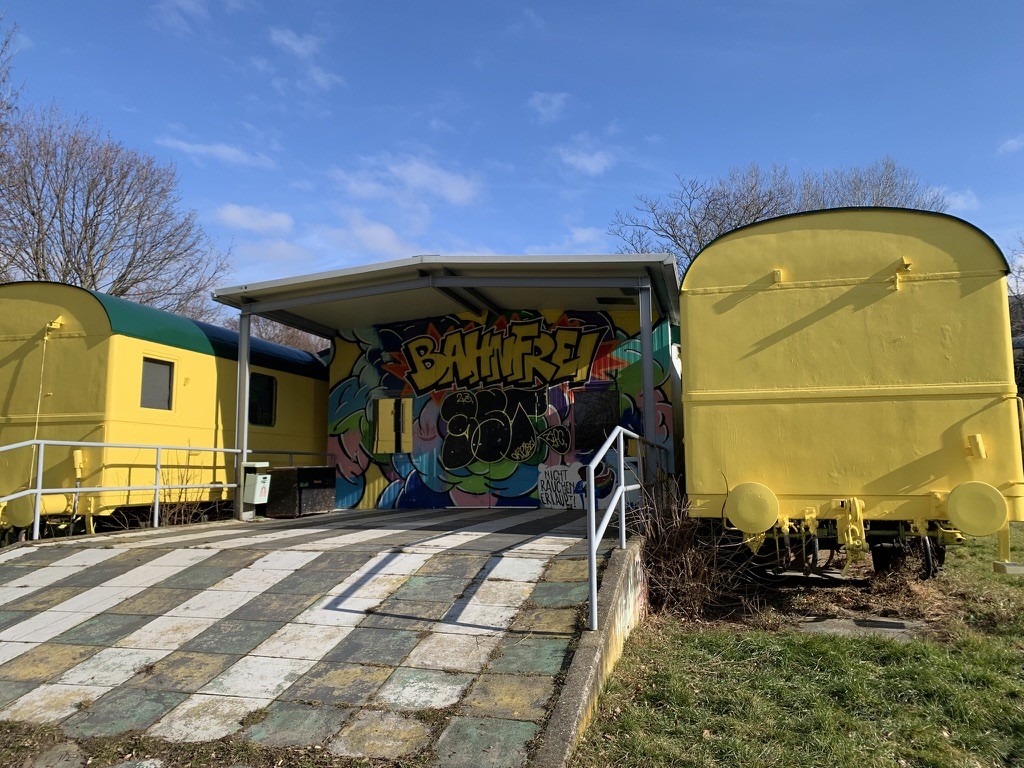
In Vienna’s Stammersdorf district, Bahnfrei conducts mobile youth work programs from converted railway wagons along the Marchfeld Canal. They bring services directly to streets, parks, and informal gathering spaces where young people spend their time. This flexible model reaches populations that traditional youth centers often miss, showing how alternative spaces can serve as effective tools for social inclusion.
In Mistelbach, YOU.BEST provides comprehensive support to young people
aged 12-23 through free, anonymous counseling alongside sports and cultural programming. They recognize that young people require different types of support—from crisis intervention to recreational activities that offer various pathways for engagement. Their confidential, low pressure approach ensures accessibility regardless of participants’ circumstances.
We also conducted a discussion with a member of Mistelbach’s youth council and a representative from Wilfersdorf’s youth center regarding rural youth participation. These conversations revealed how limited resources and established hierarchies both constrain and generate innovative approaches to engagement, underscoring the need for place-based solutions that build on existing community networks while addressing rural youth’s specific needs.